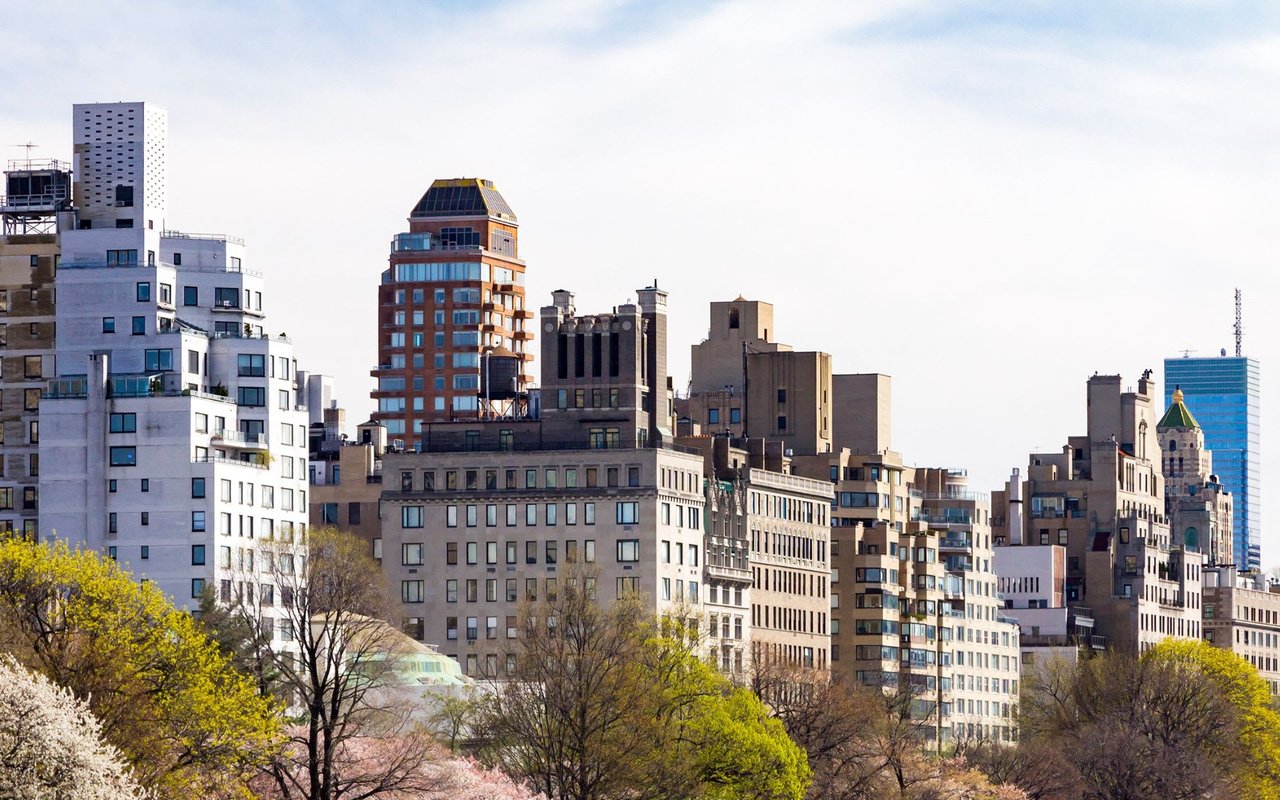
Welcome to the Upper East Side
A true model of metropolitan class for aspiring sophisticates
The Upper East Side is Manhattan's established enclave of old money, cultural institutions, and refined living. Bordered by 59th Street to the south, 96th Street to the north, Fifth Avenue to the west, and the East River to the east, it's arguably New York's most traditionally prestigious residential neighborhood. The western side along Museum Mile exudes grandeur with pre-war buildings and world-class museums, while the eastern blocks toward the river offer a more relaxed, neighborhood feel.
The character is decidedly polished—tree-lined streets, uniformed doormen, well-maintained townhouses, and residents who value stability over trend. The lifestyle skews traditional: private schools, charity galas, country club memberships, and generational wealth. What makes it appealing is its predictability in an unpredictable city—excellent schools, safe streets, proximity to Central Park, and an infrastructure built for families and long-term residents rather than transient twenty-somethings.
Who Lives Here
Families dominate, particularly those prioritizing top-tier private schools and safe, walkable streets. You'll find established professionals—finance executives, attorneys, doctors—alongside trust-fund beneficiaries and retirees who've lived here for decades. Empty nesters often downsize from suburban estates to UES co-ops.
The neighborhood attracts those who value tradition, privacy, and proximity to cultural institutions. Second-home buyers, particularly international families, maintain pieds-à-terre near private schools. Young professionals are less common here than in downtown neighborhoods—the UES doesn't cater to nightlife seekers or those chasing the next hot restaurant opening.
The lifestyle centers on Central Park weekend mornings, museum memberships, private club affiliations, and family-oriented activities. Residents tend to stay long-term; this isn't a stepping-stone neighborhood.
Real Estate Market Snapshot
The
UES operates as two distinct markets.
Prime properties—pre-war co-ops on Fifth, Madison, and Park Avenues—command $2,000-$4,000+ per square foot, with limited inventory and quick sales. East of Lexington, prices soften to $1,200-$1,800 per square foot, offering relative value. Median condo prices hover around $1.8-2.5 million, while co-op prices range from $800K for studios to $5 million+ for classic sixes. Townhouses start at $8 million and easily exceed $30 million on prestigious blocks.
The market has shown resilience post-pandemic, with 3-5% annual appreciation in prime buildings. Days on market average 60-90 days for properly priced units, though trophy properties move faster. Inventory remains tight in the best buildings, creating a balanced-to-seller's market for desirable apartments. Overpriced or dated units linger 120+ days. Co-op dominance means stricter requirements and slower closings than condo-heavy neighborhoods. The rental market is robust—studios rent for $2,800-3,500, one-bedrooms $3,800-5,500, two-bedrooms $5,500-8,500+, with premium buildings commanding 20-30% more.
Buying and Renting Tips
Buying: Co-op boards here are notoriously rigorous—expect 20-50% down payments, debt-to-income ratios below 30%, and exhaustive financial documentation. Interview preparation is critical; boards favor traditional buyers and reject hedge fund managers as readily as entertainers. Pre-war buildings on Fifth, Park, and Madison offer prestige but often prohibit financing or require 50% down. Check maintenance fees carefully—$3-5 per square foot monthly is standard, but some buildings exceed $6-7. For condos, expect flip taxes (2-3% on resale) and monthly common charges. East of Lexington offers better value but less cachet. Buildings with part-time doormen or no doormen trade at 20-30% discounts.
Renting: Landlords require 40x monthly rent in annual income, guarantors, or 12+ months upfront. No-fee buildings are rare; expect 12-15% broker fees. Concessions dried up post-pandemic. Buildings with amenities (gym, roof deck) command premiums but add $400-800 monthly in rent. Rent-stabilized units exist but rarely turn over. East 80s-90s offer better rental value than 60s-70s. Beware ground-floor units on Madison/Lexington—commercial noise. May-September is competitive; January-March offers negotiating leverage.
Relocation Tips
Establish residency early if you have school-age children—top private schools (Dalton, Brearley, Collegiate, Spence) have application deadlines 18+ months ahead, and admissions are hyper-competitive. Public schools like PS 6, PS 77, and Hunter College Elementary require zoning research or lottery entries. Join social institutions—private clubs, museum memberships, park conservancy groups—to build networks; the UES operates on connections.
Banking relationships matter for co-op board approvals—open accounts with private banks. Budget for lifestyle inflation: private schools ($50K-60K/year), building tips (doormen, supers, porters—$800-2,000 annually), and higher everyday costs. Register vehicles quickly; street parking is scarce. Identify your preferred blocks early—88th-96th Street is quieter and family-oriented, 60s-70s is more commercial and transient.
The crosstown bus system (M66, M72, M79, M86) is your lifeline for accessing the West Side. Join local parent groups and building committees to integrate faster.
Factors to Consider When Buying in UES
- Co-op vs. Condo: Co-ops dominate (80% of inventory) and offer better value per square foot but come with board approval headaches, sublet restrictions, and financing limitations. Condos cost 20-40% more but offer flexibility and easier resale.
- Building Financials: Review reserve funds, recent assessments, and upcoming capital projects. Buildings deferring façade work or boiler replacements risk special assessments ($50K-150K per unit). Verify building allows financing—many don't.
- Maintenance/Common Charges: High fees may indicate strong reserves or mismanagement. Compare similar buildings. Underlying mortgages increase monthly costs.
- Sublet Policies: Many co-ops prohibit or severely restrict subletting (2 out of 5 years, board approval required). Critical if your career requires flexibility.
- Flip Taxes: Expect 1-3% on resale, paid by seller or negotiated with buyer. Reduces net proceeds.
- Parking: Deeded spots are rare and add $150K-300K to purchase price. Monthly garage parking costs $500-800.
- Noise: Avoid units directly on Madison, Lexington, and major crosstown streets. Rear-facing or courtyard apartments are quieter. Check for nearby restaurants with late-night traffic.
- School Zoning: Verify current zones—boundaries shift. Top public schools (PS 6, PS 158, PS 290) create price premiums.
- Building Culture: Some buildings skew older and stuffy, others allow dogs or tolerate noise. Interview neighbors if possible.
- Renovations: Many buildings restrict renovation hours and require board approval for layouts. Wet-over-dry rules complicate bathroom relocations.
Factors to Consider When Selling in UES
- Seasonality: Spring (March-May) and fall (September-November) see peak activity; summer slows dramatically, and December is dead. List by early March or early September for maximum exposure.
- Pricing Strategy: The UES is hyper-aware of comps. Overpricing by 10%+ kills momentum; properties sit and get stigmatized. Price at market or 2-3% above if pristine. Buyers here have access to extensive data and advisors.
- Staging: Essential. Empty apartments show poorly; staged units sell 15-20% faster and achieve higher prices. Classic, neutral staging works best—buyers are conservative. Highlight pre-war details (moldings, high ceilings, herringbone floors) if original.
- Condition: Buyers expect move-in ready or gut-renovation-ready pricing. Half-updated units languish. If renovated, emphasize high-end finishes—Miele/Sub-Zero appliances, marble baths, custom millwork. If dated, price as a gut renovation and market the bones.
- Target Buyers: Families dominate—emphasize layout functionality, storage, bedroom count, and school proximity. International buyers focus on Fifth/Park Avenue buildings with prestige. Empty nesters want one-floor living and light.
- Photography and Marketing: Professional photography and floor plans are non-negotiable. Virtual tours and video walkthroughs extend reach to out-of-state and international buyers. The UES buyer is sophisticated—poor marketing is punished.
- Broker Selection: The UES has established brokerage hierarchies. Top firms (Corcoran, Brown Harris Stevens, Compass) have loyal buyer networks. Exclusive listings with experienced UES specialists outperform open listings.
- Value-Add Upgrades: Kitchen and bathroom renovations return 70-90% of investment. Central AC (if not present) is nearly mandatory. Washer/dryer if allowed by building. Fresh paint, refinished floors, and updated lighting are table stakes. Closet systems and built-ins add appeal.
- Disclosure: Full disclosure on building issues, pending assessments, and apartment defects. Buyers here conduct extensive due diligence, and undisclosed issues kill deals.
Dining and Entertainment
The UES dining scene prioritizes consistency and tradition over innovation. East 60s-70s around Second and Third Avenues offer concentration—Italian stalwarts (Sfoglia, Sistina, Campagnola), French bistros (Le Bilboquet, Philippe, Orsay), and American grills (JG Melon, Elaine's successor spots). Madison Avenue features upscale dining (The Mark, Daniel, Café Boulud) near luxury retail. East 80s-90s lean casual—neighborhood pizzerias, diners, and family-friendly spots. Sushi is well-represented (Tanoshi, Sasabune, Sushi Yasuda nearby). Brunch is a religion: Sarabeth's, Sant Ambroeus, The Loeb Boathouse.
Bars cater to an older, quieter crowd. The Penrose, The Drink, and The Pony Bar draw locals. Hotel bars (Bemelmans Bar at The Carlyle, The Mark Bar) offer elegance for special occasions. Nightclubs and late-night scenes don't exist here.
Entertainment centers on cultural institutions: The Met, Guggenheim, Neue Galerie, Cooper Hewitt, and Frick Collection (reopening post-renovation). 92nd Street Y hosts lectures and performances. Movie theaters include Paris Theater (reopened) and AMC on 84th. Comedy and live music require trips downtown or to the West Side. This isn't a nightlife neighborhood—dinner ends by 10 PM, and streets quiet early.
Shopping
Madison Avenue from 60th-80th is luxury retail heaven—Hermès, Chanel, Ralph Lauren, Barneys site (now various tenants), and
high-end boutiques. Mixed in are home goods stores (Gracious Home closed, but Williams Sonoma, ABC Carpet & Home remain nearby). Lexington and Third Avenues offer chain drugstores (Duane Reade, CVS), banks, and practical retail.
Grocery shopping is competitive: Whole Foods (multiple locations), Fairway (closed during pandemic—check current status), Citarella (fish and gourmet), Grace's Marketplace, and numerous small fruit stands. East 80s has a Target on 70th Street. Trader Joe's on 72nd Street draws massive crowds. Fresh Direct and other delivery services are ubiquitous.
Specialty shops thrive: Kitchen Arts & Letters (cookbook store), Crawford Doyle Booksellers, Schubert (sheet music), and boutique toy stores. The UES supports small businesses more than most Manhattan neighborhoods due to long-term residents and family density.
Public Transportation
Subway: The Lexington Avenue line (4/5/6 trains) is the spine of the UES, with stations every 8-10 blocks. The 6 local serves all stops; 4/5 express skip most. Rush hour is packed southbound in the morning, northbound in the evening. Q train (Second Avenue Subway) added stations at 72nd, 86th, and 96th—game-changer for East Side residents, though only three stations currently serve the UES. West Side access requires crosstown buses. No direct subway to JFK or LaGuardia.
Buses: M15 (First/Second Avenue), M31 (York Avenue), M86 (crosstown), M79 (crosstown), M66, M72 are critical. Select Bus Service (M15 SBS) is faster. Buses are slow but necessary for East-West travel and for those east of the subway.
Ferry: NYC Ferry East River route stops at East 90th Street—scenic commute to Wall Street or Brooklyn, but limited hours and not reliable in bad weather.
Lack of West Side Access: Getting to the West Side requires crosstown buses (20-30 minutes) or taxi/Uber. No direct subway.
Reliability: Lexington line delays are common. Weekend service disruptions frustrate residents. Plan buffer time.
Commute and Accessibility
- To Midtown: 10-20 minutes by subway; walking is feasible from lower UES. Reverse commutes (to Westchester, Connecticut) are straightforward via Metro-North from Grand Central (15-minute walk or crosstown bus).
- To Downtown/Financial District: 25-40 minutes via 4/5 express or 6 local. Crowded during rush hour.
- To Brooklyn: Require transfers—crosstown bus to West Side trains or Q to Downtown Brooklyn. 45-60 minutes to popular Brooklyn neighborhoods.
- To Airports: JFK: 60-90 minutes via LIRR or taxi ($70-90). LaGuardia: 30-45 minutes via taxi ($40-60) or M60 bus connection (slow, not recommended with luggage). Uber/Lyft comparable. No convenient public transit to either airport.
- Driving: FDR Drive access is quick, but parking and garage costs ($500-800/month) deter car ownership. Street parking is near-impossible except on side streets late at night with alternate-side rules (twice weekly). Cars are more liability than asset unless you weekend outside the city regularly. Zipcar and car-share services are popular.
- Walkability: The neighborhood is supremely walkable—groceries, schools, parks, and services within blocks. Many residents don't commute daily and walk everywhere locally.
- Traffic: Madison and Lexington are congested during rush hour. Crosstown streets crawl. Allow extra time for car travel.
Most Coveted Streets & Estates
In the Upper East Side, prestige isn’t just about the zip code—it’s about the block. Certain streets and micro-neighborhoods are legendary for their architectural pedigree, social cachet, and real estate desirability. Here are the most coveted corners of the UES.
Fifth Avenue – “Museum Mile”
Lined with historic co-ops and cultural landmarks, Fifth Avenue facing Central Park is the crown jewel of Upper East Side real estate. Buildings like 998 Fifth and 1040 Fifth Avenue are synonymous with old New York wealth, often home to blue-chip art collectors, financiers, and legacy families.
Park Avenue – Classic Manhattan Grandeur
Park Avenue between 60th and 96th Streets offers refined pre-war co-ops with uniform façades and impeccable service. Known for its quiet prestige and strict co-op boards, this stretch is a longtime favorite among Upper East Side “old guard” families.
Carnegie Hill – The “Village of the UES”
Bounded roughly by 86th to 96th Streets between Fifth and Lexington,
Carnegie Hill feels like a village within the city. Brownstones and boutique co-ops share the streets with elite schools and cultural institutions like the Jewish Museum and Neue Galerie. Madison Avenue here is dotted with independent bookshops and galleries—charm without pretense.
East End Avenue – River Views & Privacy
Running along the East River, this quiet, tree-lined stretch offers a peaceful escape from the buzz of the city. With Gracie Mansion anchoring the northern end and Carl Schurz Park offering green space, East End is beloved by diplomats, privacy-seeking families, and those who favor a low-key luxury lifestyle.
"The Gold Coast" – East 70s Between Park & Fifth
This pocket is considered one of the most elegant residential zones in the city. Historic mansions and impeccably maintained co-ops dominate these blocks, often trading quietly off-market among a well-heeled set.
Who is the Upper East Side For?
The UES is for those who prioritize stability, safety, and tradition over trend and experimentation. It's ideal for families seeking top schools, parks, and low crime. Established professionals and high-net-worth individuals who want prestige and privacy thrive here. Retirees and empty nesters appreciate the walkability, culture, and familiarity.
It's not for young professionals seeking nightlife, creative types chasing downtown energy, or anyone on a tight budget. It's not for those who value dining innovation, diverse entertainment, or spontaneous street culture. If you want to be in the center of Manhattan's cutting edge, look elsewhere.
The UES rewards those who plan to stay—raising children through private school, building equity in a co-op, joining institutions, and embedding in a community. It's for those who see New York as a place to build a life, not a temporary adventure. If that's you, the UES offers unmatched quality of life and lasting value.
Welcome to the Upper East Side
A true model of metropolitan class for aspiring sophisticates
The Upper East Side is Manhattan's established enclave of old money, cultural institutions, and refined living. Bordered by 59th Street to the south, 96th Street to the north, Fifth Avenue to the west, and the East River to the east, it's arguably New York's most traditionally prestigious residential neighborhood. The western side along Museum Mile exudes grandeur with pre-war buildings and world-class museums, while the eastern blocks toward the river offer a more relaxed, neighborhood feel.
The character is decidedly polished—tree-lined streets, uniformed doormen, well-maintained townhouses, and residents who value stability over trend. The lifestyle skews traditional: private schools, charity galas, country club memberships, and generational wealth. What makes it appealing is its predictability in an unpredictable city—excellent schools, safe streets, proximity to Central Park, and an infrastructure built for families and long-term residents rather than transient twenty-somethings.
Who Lives Here
Families dominate, particularly those prioritizing top-tier private schools and safe, walkable streets. You'll find established professionals—finance executives, attorneys, doctors—alongside trust-fund beneficiaries and retirees who've lived here for decades. Empty nesters often downsize from suburban estates to UES co-ops.
The neighborhood attracts those who value tradition, privacy, and proximity to cultural institutions. Second-home buyers, particularly international families, maintain pieds-à-terre near private schools. Young professionals are less common here than in downtown neighborhoods—the UES doesn't cater to nightlife seekers or those chasing the next hot restaurant opening.
The lifestyle centers on Central Park weekend mornings, museum memberships, private club affiliations, and family-oriented activities. Residents tend to stay long-term; this isn't a stepping-stone neighborhood.
Real Estate Market Snapshot
The UES operates as two distinct markets. Prime properties—pre-war co-ops on Fifth, Madison, and Park Avenues—command $2,000-$4,000+ per square foot, with limited inventory and quick sales. East of Lexington, prices soften to $1,200-$1,800 per square foot, offering relative value. Median condo prices hover around $1.8-2.5 million, while co-op prices range from $800K for studios to $5 million+ for classic sixes. Townhouses start at $8 million and easily exceed $30 million on prestigious blocks.
The market has shown resilience post-pandemic, with 3-5% annual appreciation in prime buildings. Days on market average 60-90 days for properly priced units, though trophy properties move faster. Inventory remains tight in the best buildings, creating a balanced-to-seller's market for desirable apartments. Overpriced or dated units linger 120+ days. Co-op dominance means stricter requirements and slower closings than condo-heavy neighborhoods. The rental market is robust—studios rent for $2,800-3,500, one-bedrooms $3,800-5,500, two-bedrooms $5,500-8,500+, with premium buildings commanding 20-30% more.
Buying and Renting Tips
Buying: Co-op boards here are notoriously rigorous—expect 20-50% down payments, debt-to-income ratios below 30%, and exhaustive financial documentation. Interview preparation is critical; boards favor traditional buyers and reject hedge fund managers as readily as entertainers. Pre-war buildings on Fifth, Park, and Madison offer prestige but often prohibit financing or require 50% down. Check maintenance fees carefully—$3-5 per square foot monthly is standard, but some buildings exceed $6-7. For condos, expect flip taxes (2-3% on resale) and monthly common charges. East of Lexington offers better value but less cachet. Buildings with part-time doormen or no doormen trade at 20-30% discounts.
Renting: Landlords require 40x monthly rent in annual income, guarantors, or 12+ months upfront. No-fee buildings are rare; expect 12-15% broker fees. Concessions dried up post-pandemic. Buildings with amenities (gym, roof deck) command premiums but add $400-800 monthly in rent. Rent-stabilized units exist but rarely turn over. East 80s-90s offer better rental value than 60s-70s. Beware ground-floor units on Madison/Lexington—commercial noise. May-September is competitive; January-March offers negotiating leverage.
Relocation Tips
Establish residency early if you have school-age children—top private schools (Dalton, Brearley, Collegiate, Spence) have application deadlines 18+ months ahead, and admissions are hyper-competitive. Public schools like PS 6, PS 77, and Hunter College Elementary require zoning research or lottery entries. Join social institutions—private clubs, museum memberships, park conservancy groups—to build networks; the UES operates on connections.
Banking relationships matter for co-op board approvals—open accounts with private banks. Budget for lifestyle inflation: private schools ($50K-60K/year), building tips (doormen, supers, porters—$800-2,000 annually), and higher everyday costs. Register vehicles quickly; street parking is scarce. Identify your preferred blocks early—88th-96th Street is quieter and family-oriented, 60s-70s is more commercial and transient.
The crosstown bus system (M66, M72, M79, M86) is your lifeline for accessing the West Side. Join local parent groups and building committees to integrate faster.
Factors to Consider When Buying in UES
Co-op vs. Condo: Co-ops dominate (80% of inventory) and offer better value per square foot but come with board approval headaches, sublet restrictions, and financing limitations. Condos cost 20-40% more but offer flexibility and easier resale.
Building Financials: Review reserve funds, recent assessments, and upcoming capital projects. Buildings deferring façade work or boiler replacements risk special assessments ($50K-150K per unit). Verify building allows financing—many don't.
Maintenance/Common Charges: High fees may indicate strong reserves or mismanagement. Compare similar buildings. Underlying mortgages increase monthly costs.
Sublet Policies: Many co-ops prohibit or severely restrict subletting (2 out of 5 years, board approval required). Critical if your career requires flexibility.
Flip Taxes: Expect 1-3% on resale, paid by seller or negotiated with buyer. Reduces net proceeds.
Parking: Deeded spots are rare and add $150K-300K to purchase price. Monthly garage parking costs $500-800.
Noise: Avoid units directly on Madison, Lexington, and major crosstown streets. Rear-facing or courtyard apartments are quieter. Check for nearby restaurants with late-night traffic.
School Zoning: Verify current zones—boundaries shift. Top public schools (PS 6, PS 158, PS 290) create price premiums.
Building Culture: Some buildings skew older and stuffy, others allow dogs or tolerate noise. Interview neighbors if possible.
Renovations: Many buildings restrict renovation hours and require board approval for layouts. Wet-over-dry rules complicate bathroom relocations.
Factors to Consider When Selling in UES
Seasonality: Spring (March-May) and fall (September-November) see peak activity; summer slows dramatically, and December is dead. List by early March or early September for maximum exposure.
Pricing Strategy: The UES is hyper-aware of comps. Overpricing by 10%+ kills momentum; properties sit and get stigmatized. Price at market or 2-3% above if pristine. Buyers here have access to extensive data and advisors.
Staging: Essential. Empty apartments show poorly; staged units sell 15-20% faster and achieve higher prices. Classic, neutral staging works best—buyers are conservative. Highlight pre-war details (moldings, high ceilings, herringbone floors) if original.
Condition: Buyers expect move-in ready or gut-renovation-ready pricing. Half-updated units languish. If renovated, emphasize high-end finishes—Miele/Sub-Zero appliances, marble baths, custom millwork. If dated, price as a gut renovation and market the bones.
Target Buyers: Families dominate—emphasize layout functionality, storage, bedroom count, and school proximity. International buyers focus on Fifth/Park Avenue buildings with prestige. Empty nesters want one-floor living and light.
Photography and Marketing: Professional photography and floor plans are non-negotiable. Virtual tours and video walkthroughs extend reach to out-of-state and international buyers. The UES buyer is sophisticated—poor marketing is punished.
Broker Selection: The UES has established brokerage hierarchies. Top firms (Corcoran, Brown Harris Stevens, Compass) have loyal buyer networks. Exclusive listings with experienced UES specialists outperform open listings.
Value-Add Upgrades: Kitchen and bathroom renovations return 70-90% of investment. Central AC (if not present) is nearly mandatory. Washer/dryer if allowed by building. Fresh paint, refinished floors, and updated lighting are table stakes. Closet systems and built-ins add appeal.
Disclosure: Full disclosure on building issues, pending assessments, and apartment defects. Buyers here conduct extensive due diligence, and undisclosed issues kill deals.
Dining and Entertainment
The UES dining scene prioritizes consistency and tradition over innovation. East 60s-70s around Second and Third Avenues offer concentration—Italian stalwarts (Sfoglia, Sistina, Campagnola), French bistros (Le Bilboquet, Philippe, Orsay), and American grills (JG Melon, Elaine's successor spots). Madison Avenue features upscale dining (The Mark, Daniel, Café Boulud) near luxury retail. East 80s-90s lean casual—neighborhood pizzerias, diners, and family-friendly spots. Sushi is well-represented (Tanoshi, Sasabune, Sushi Yasuda nearby). Brunch is a religion: Sarabeth's, Sant Ambroeus, The Loeb Boathouse.
Bars cater to an older, quieter crowd. The Penrose, The Drink, and The Pony Bar draw locals. Hotel bars (Bemelmans Bar at The Carlyle, The Mark Bar) offer elegance for special occasions. Nightclubs and late-night scenes don't exist here.
Entertainment centers on cultural institutions: The Met, Guggenheim, Neue Galerie, Cooper Hewitt, and Frick Collection (reopening post-renovation). 92nd Street Y hosts lectures and performances. Movie theaters include Paris Theater (reopened) and AMC on 84th. Comedy and live music require trips downtown or to the West Side. This isn't a nightlife neighborhood—dinner ends by 10 PM, and streets quiet early.
Shopping
Madison Avenue from 60th-80th is luxury retail heaven—Hermès, Chanel, Ralph Lauren, Barneys site (now various tenants), and high-end boutiques. Mixed in are home goods stores (Gracious Home closed, but Williams Sonoma, ABC Carpet & Home remain nearby). Lexington and Third Avenues offer chain drugstores (Duane Reade, CVS), banks, and practical retail.
Grocery shopping is competitive: Whole Foods (multiple locations), Fairway (closed during pandemic—check current status), Citarella (fish and gourmet), Grace's Marketplace, and numerous small fruit stands. East 80s has a Target on 70th Street. Trader Joe's on 72nd Street draws massive crowds. Fresh Direct and other delivery services are ubiquitous.
Specialty shops thrive: Kitchen Arts & Letters (cookbook store), Crawford Doyle Booksellers, Schubert (sheet music), and boutique toy stores. The UES supports small businesses more than most Manhattan neighborhoods due to long-term residents and family density.
Public Transportation
Subway: The Lexington Avenue line (4/5/6 trains) is the spine of the UES, with stations every 8-10 blocks. The 6 local serves all stops; 4/5 express skip most. Rush hour is packed southbound in the morning, northbound in the evening. Q train (Second Avenue Subway) added stations at 72nd, 86th, and 96th—game-changer for East Side residents, though only three stations currently serve the UES. West Side access requires crosstown buses. No direct subway to JFK or LaGuardia.
Buses: M15 (First/Second Avenue), M31 (York Avenue), M86 (crosstown), M79 (crosstown), M66, M72 are critical. Select Bus Service (M15 SBS) is faster. Buses are slow but necessary for East-West travel and for those east of the subway.
Ferry: NYC Ferry East River route stops at East 90th Street—scenic commute to Wall Street or Brooklyn, but limited hours and not reliable in bad weather.
Lack of West Side Access: Getting to the West Side requires crosstown buses (20-30 minutes) or taxi/Uber. No direct subway.
Reliability: Lexington line delays are common. Weekend service disruptions frustrate residents. Plan buffer time.
Commute and Accessibility
To Midtown: 10-20 minutes by subway; walking is feasible from lower UES. Reverse commutes (to Westchester, Connecticut) are straightforward via Metro-North from Grand Central (15-minute walk or crosstown bus).
To Downtown/Financial District: 25-40 minutes via 4/5 express or 6 local. Crowded during rush hour.
To Brooklyn: Require transfers—crosstown bus to West Side trains or Q to Downtown Brooklyn. 45-60 minutes to popular Brooklyn neighborhoods.
To Airports: JFK: 60-90 minutes via LIRR or taxi ($70-90). LaGuardia: 30-45 minutes via taxi ($40-60) or M60 bus connection (slow, not recommended with luggage). Uber/Lyft comparable. No convenient public transit to either airport.
Driving: FDR Drive access is quick, but parking and garage costs ($500-800/month) deter car ownership. Street parking is near-impossible except on side streets late at night with alternate-side rules (twice weekly). Cars are more liability than asset unless you weekend outside the city regularly. Zipcar and car-share services are popular.
Walkability: The neighborhood is supremely walkable—groceries, schools, parks, and services within blocks. Many residents don't commute daily and walk everywhere locally.
Traffic: Madison and Lexington are congested during rush hour. Crosstown streets crawl. Allow extra time for car travel.
Most Coveted Streets & Estates
In the Upper East Side, prestige isn’t just about the zip code—it’s about the block. Certain streets and micro-neighborhoods are legendary for their architectural pedigree, social cachet, and real estate desirability. Here are the most coveted corners of the UES.
Fifth Avenue – “Museum Mile”
Lined with historic co-ops and cultural landmarks, Fifth Avenue facing Central Park is the crown jewel of Upper East Side real estate. Buildings like 998 Fifth and 1040 Fifth Avenue are synonymous with old New York wealth, often home to blue-chip art collectors, financiers, and legacy families.
Park Avenue – Classic Manhattan Grandeur
Park Avenue between 60th and 96th Streets offers refined pre-war co-ops with uniform façades and impeccable service. Known for its quiet prestige and strict co-op boards, this stretch is a longtime favorite among Upper East Side “old guard” families.
Carnegie Hill – The “Village of the UES”
Bounded roughly by 86th to 96th Streets between Fifth and Lexington, Carnegie Hill feels like a village within the city. Brownstones and boutique co-ops share the streets with elite schools and cultural institutions like the Jewish Museum and Neue Galerie. Madison Avenue here is dotted with independent bookshops and galleries—charm without pretense.
East End Avenue – River Views & Privacy
Running along the East River, this quiet, tree-lined stretch offers a peaceful escape from the buzz of the city. With Gracie Mansion anchoring the northern end and Carl Schurz Park offering green space, East End is beloved by diplomats, privacy-seeking families, and those who favor a low-key luxury lifestyle.
"The Gold Coast" – East 70s Between Park & Fifth
This pocket is considered one of the most elegant residential zones in the city. Historic mansions and impeccably maintained co-ops dominate these blocks, often trading quietly off-market among a well-heeled set.
Who is the Upper East Side For?
The UES is for those who prioritize stability, safety, and tradition over trend and experimentation. It's ideal for families seeking top schools, parks, and low crime. Established professionals and high-net-worth individuals who want prestige and privacy thrive here. Retirees and empty nesters appreciate the walkability, culture, and familiarity.
It's not for young professionals seeking nightlife, creative types chasing downtown energy, or anyone on a tight budget. It's not for those who value dining innovation, diverse entertainment, or spontaneous street culture. If you want to be in the center of Manhattan's cutting edge, look elsewhere.
The UES rewards those who plan to stay—raising children through private school, building equity in a co-op, joining institutions, and embedding in a community. It's for those who see New York as a place to build a life, not a temporary adventure. If that's you, the UES offers unmatched quality of life and lasting value.